The DJ Who Sold His Songs to Buy a Farm
How Andy Cato went from Groove Armada to building the UK's largest regenerative wheat network
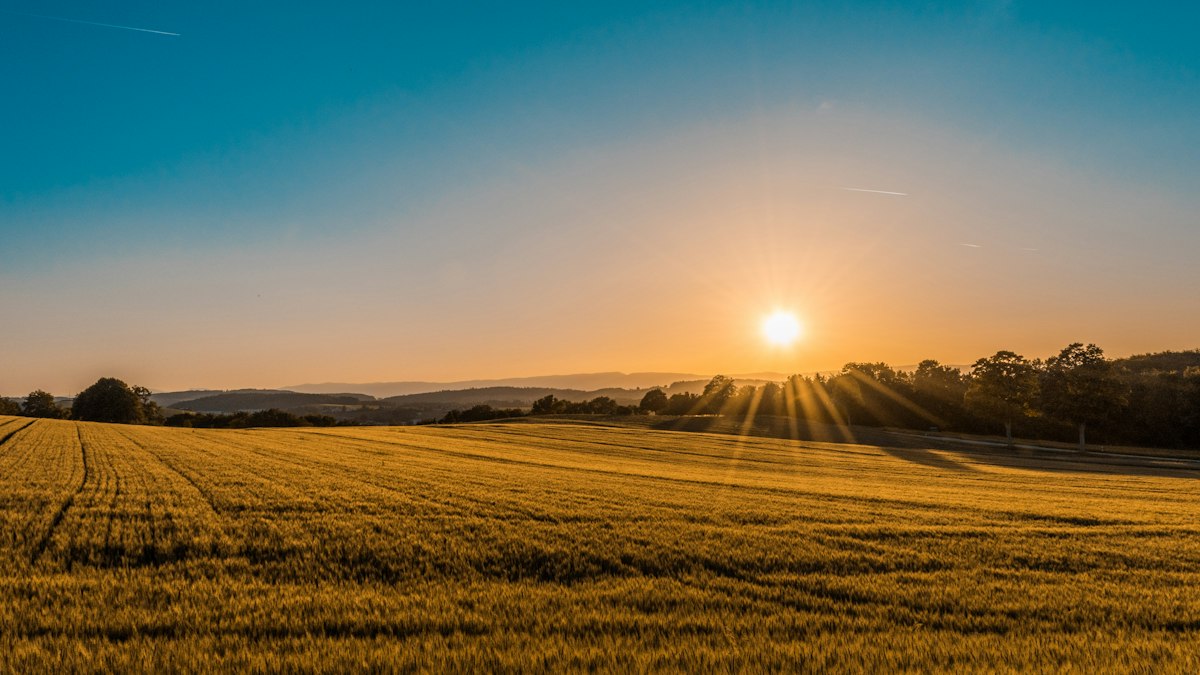
Andy Cato was one half of Groove Armada, one of the most successful electronic acts of the early 2000s. He played Glastonbury. He toured the world. He had the kind of career that most musicians spend their lives chasing.
Then he sold the rights to his music catalogue, bought a farm in France, and started learning how to grow food.
This is the story of Wildfarmed — and it is one of the most interesting business model stories in British food right now.
The Moment That Changed Everything
Cato did not leave music because he was burned out. He left because he became obsessed with a problem.
He had started farming in France, and the more he learned about industrial agriculture — the soil degradation, the chemical dependency, the collapse of biodiversity — the more he felt that the food system was quietly destroying the foundations it depended on.
"I sold the rights to my Groove Armada songs to buy a farm. I needed to understand this from the ground up."
He spent years farming regeneratively, learning the science, and becoming convinced that the model worked — not just ecologically, but economically. Regenerative farming, done right, could produce better yields, better quality grain, and healthier soil. The problem was that no one had built the supply chain to prove it at scale.
That was the gap Wildfarmed was built to fill.
What Wildfarmed Actually Does
Wildfarmed is not a farm. It is a supply chain business.
Cato co-founded the company in 2018 with George Lamb and Edd Lees. Their model is to work with existing farmers — converting them to regenerative practices and then aggregating their grain into a single, traceable supply chain that can serve commercial buyers.
Wildfarmed does not own the land. It owns the relationships, the standards, and the story. That is a fundamentally different kind of business.
The network now includes over 95 regenerative farmers across the UK and Europe. Wildfarmed measures nature, carbon, water, and grain quality on every farm, which gives them something most food companies cannot offer: third-party verified proof of impact, linked directly to a specific product on a supermarket shelf.
The B2B-First Strategy
Wildfarmed's go-to-market strategy is worth studying closely.
They did not launch with a consumer brand. They launched with a B2B flour product, selling to bakeries, restaurants, and food service companies. Their early customers included Gail's Bakery, Ottolenghi, and a growing list of independent bakers who cared about provenance.
| Channel | What It Achieves | Example Partners B2B Flour (Trade) | Volume, credibility, supply chain proof | Gail's Bakery, Ottolenghi, Compass Group Retail Flour | Consumer awareness, premium positioning | Waitrose, Ocado Branded Bread | Mass market reach, margin improvement | Gail's branded loaves in Waitrose Foodservice | Scale, institutional adoption | Foodbuy, NHS supply chains |
|---|
This sequencing was deliberate. By proving the model with professional buyers first — people who understand grain quality and are willing to pay a premium for provenance — they built credibility before going to consumers.
By 2024, Wildfarmed flour was in Waitrose, Ocado, and a growing number of supermarkets. Their bread, made with Wildfarmed wheat, was appearing in Gail's branches nationwide.
The Expert Commentary
What Wildfarmed have done exceptionally well is solve the aggregation problem that kills most regenerative agriculture businesses.
Individual regenerative farmers cannot access premium buyers because they cannot guarantee consistent volume, quality, or traceability. Wildfarmed solves all three by acting as the intermediary — setting the standards, aggregating the supply, and owning the commercial relationships.
This is a classic platform model applied to agriculture. The farmers are the supply side. The food companies are the demand side. Wildfarmed is the marketplace that makes both sides work.
The lesson for impact founders: if your model requires behaviour change from many small actors, consider whether you can build the infrastructure that makes that change commercially viable for them — rather than trying to change behaviour through persuasion alone.
What I Would Do If I Were Andy
Wildfarmed's biggest opportunity — and their biggest risk — is the same thing: the brand story.
Right now, the Groove Armada origin is a brilliant hook. It gets press. It gets attention. It makes the company memorable. But as the business scales, it needs to become less about Andy Cato and more about the farmers, the soil science, and the measurable outcomes.
The transition from founder story to institutional credibility is one of the hardest moves in impact business. Wildfarmed will need to make it if they want to become a genuine infrastructure player rather than a premium niche brand.
The question is not whether Wildfarmed's model works. The science is solid. The question is whether they can build the commercial infrastructure fast enough to outpace the industrial food system's ability to copy the language without adopting the practice.
More every week.
The Forlui newsletter: one impact business, broken down to its commercial core. Plus practical frameworks for founders.
Subscribe Free ↗