The Man Who Sat on a Toilet Until He Raised $50,000
How Simon Griffiths turned a stunt into a $100M+ toilet paper empire that gives away half its profits
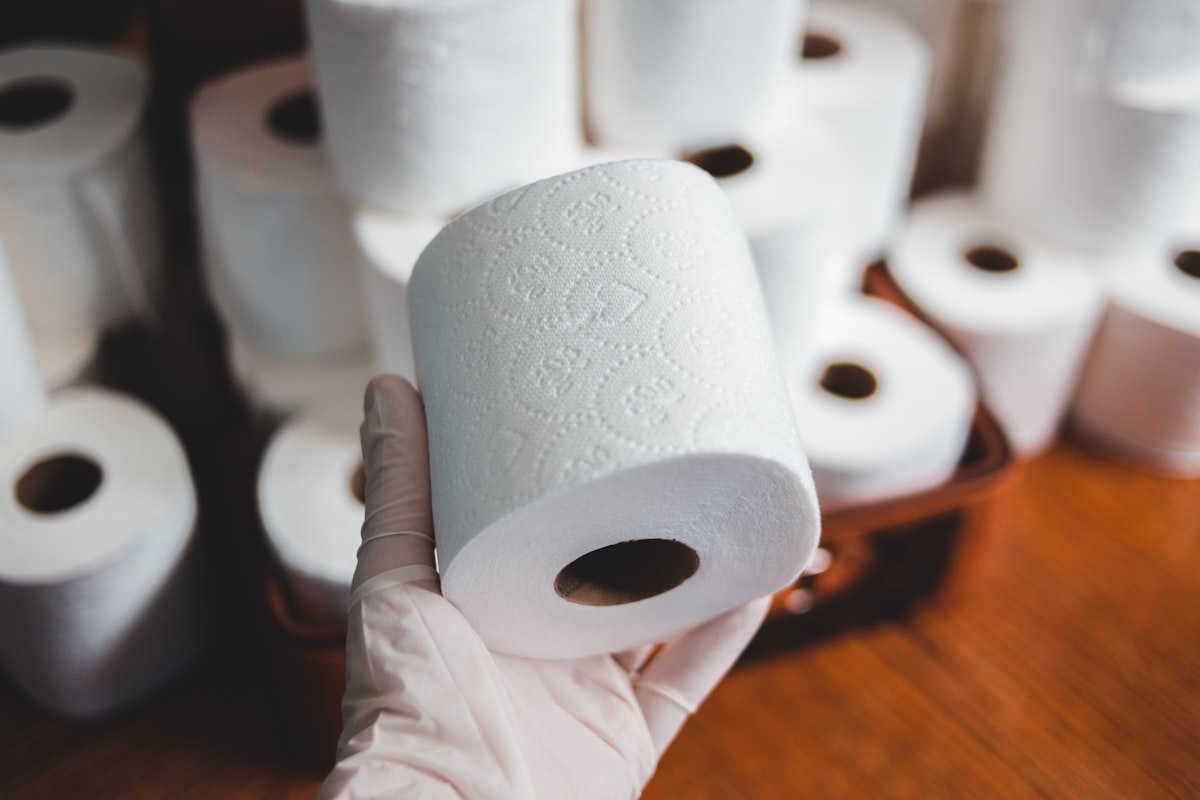
In July 2012, Simon Griffiths sat on a toilet in a Melbourne warehouse and livestreamed himself refusing to get up until he had raised $50,000 in pre-orders.
It took 50 hours.
Who Gives A Crap was born — and with it, one of the most studied impact business models of the past decade.
The Problem They Were Solving
2.4 billion people around the world do not have access to a toilet. Waterborne diseases linked to poor sanitation kill more children under five than malaria, HIV, and measles combined.
Griffiths, along with co-founders Danny Alexander and Simon Griffiths, wanted to fund solutions to this problem. But they did not want to build a charity. They wanted to build a business — one that could grow, scale, and generate compounding impact without depending on donations.
Their insight was simple: everyone in the developed world buys toilet paper. It is a recurring, non-discretionary purchase. If you could capture even a fraction of that market with a better product and a compelling story, you could generate serious, sustainable funding for sanitation projects.
Who Gives A Crap donates 50% of profits to fund clean water and sanitation projects. Not 1%. Not 10%. Half.
The Business Model
The model is elegant in its simplicity.
| Revenue Stream | Model | Why It Works Direct-to-consumer subscription | Recurring revenue, predictable demand | Toilet paper is a repeat purchase — subscriptions reduce churn Retail (Tesco, Woolworths, etc.) | Volume, new customer acquisition | Shelf presence builds brand awareness at scale Bulk orders | Higher margin, lower logistics cost | 48-roll boxes are core product — customers stock up Gifting | Seasonal spikes, word-of-mouth | Novelty packaging drives social sharing |
|---|
The subscription model is the engine. Customers who subscribe spend more, stay longer, and are far more likely to become advocates. The product itself — bamboo and recycled paper, wrapped in colourful paper rather than plastic — is genuinely differentiated. It looks good. It photographs well. It gets shared on social media.
This is the compound effect of a product that is both functionally excellent and visually distinctive. The impact story provides the reason to choose it. The product experience provides the reason to stay.
The Numbers
By 2024, Who Gives A Crap had donated over $20 million AUD to water and sanitation charities, including WaterAid, and had supported over 845,000 people with access to clean water and sanitation in 2023 alone.
The Crowdfunding Genius
The toilet stunt was not just a PR moment. It was a proof of concept for the entire business model.
Griffiths needed to know whether people would pay in advance for toilet paper they had never tried, from a brand they had never heard of, based purely on a mission they believed in. The 50-hour livestream answered that question definitively.
"We needed to know if people would back us before we'd made a single roll. The toilet stunt was our way of finding out."
This is a lesson that applies far beyond toilet paper. Before you invest in production, inventory, or infrastructure, find a way to test whether your customers will commit. Pre-orders, crowdfunding, waitlists — these are not just funding mechanisms. They are validation tools.
What I Would Do If I Were Simon
Who Gives A Crap's biggest challenge now is the same one facing every impact brand that achieves scale: maintaining the emotional connection as the business becomes institutional.
When you are a scrappy startup with a founder sitting on a toilet, the story is inherently personal. When you are stocked in Tesco and shipping to 40 countries, the story needs to be told differently — through the farmers, the communities, the specific projects funded, the specific people helped.
The brands that navigate this transition well are the ones that invest as heavily in storytelling infrastructure as they do in supply chain infrastructure. Who Gives A Crap has the data. The question is whether they can make it feel as human as the original stunt.
More every week.
The Forlui newsletter: one impact business, broken down to its commercial core. Plus practical frameworks for founders.
Subscribe Free ↗