Brewing Beer From Bread That Would Have Been Binned
Tristram Stuart had already written a book about food waste. Then he decided to make it drinkable.
Approximately 44% of all bread produced commercially is never eaten.
Tristram Stuart knew this. He had spent years writing and campaigning about food waste — his book Waste: Uncovering the Global Food Scandal was a landmark work on the subject. He had organised mass feasts made from discarded food. He had given TED talks. He had done everything an activist does.
Then he had a different idea: what if you could make the problem delicious?
In 2016, Toast Ale was born.
The Circular Economy in a Glass
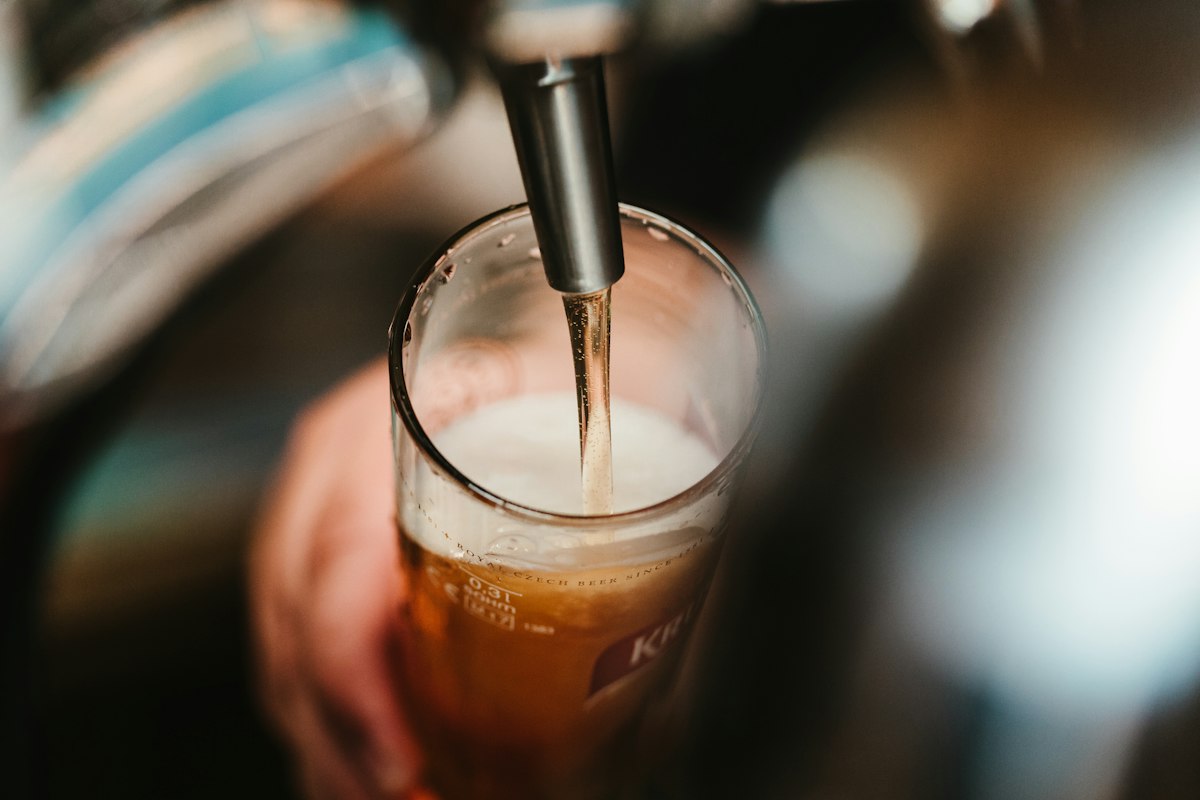
Toast Ale brews craft beer using surplus fresh bread — bread that would otherwise be thrown away. The bread replaces a portion of the malted barley that conventional brewers use, reducing the agricultural land and water required to make each pint.
The model is a textbook circular economy application: take a waste product from one industry and use it as a raw material in another. The bread comes from bakeries, sandwich manufacturers, and food service companies. It arrives at the brewery, gets incorporated into the mash, and emerges as award-winning craft beer.
Toast Ale donates all of their profits to Feedback, a charity working to end food waste at a systemic level. Not some profits. All of them. The beer is the fundraising mechanism.
The Business Model
Toast operates as a social enterprise with a radical profit distribution model.
| Revenue Source | What It Funds Beer sales (direct, retail, hospitality) | 100% of profits go to Feedback charity Licensing (Toast recipes to other breweries) | Spreads the model, generates royalties Partnerships (Rise Up series with ethical brands) | Co-branded beers that amplify both brands' stories Events and tastings | Direct consumer engagement, brand building |
|---|
The licensing model is particularly interesting. Toast has shared their bread-to-beer recipe with breweries around the world, allowing them to make their own versions of the concept. This spreads the impact — more bread saved, more awareness raised — while generating a modest royalty income that supports the core business.
The Awareness Engine
Toast Ale is not primarily a beer company. It is an awareness campaign that happens to make excellent beer.
Every pint sold is a conversation starter. Every label is an education about food waste. Every event is an opportunity to connect people with the systemic issues in the food system.
"We waste bread at a colossal scale and so we saw an opportunity to use the principles of the circular economy to tackle a modern day problem, whilst raising awareness of the systemic problems within the food system in an engaging way — by enjoying a cheeky pint."
This is the genius of the model. Beer is social. Beer is shared. Beer is consumed in contexts — pubs, parties, restaurants — where people talk. Every bottle of Toast Ale is a tiny ambassador for a much larger idea.
The Expert Commentary
Toast Ale illustrates the power of what I call the Trojan Horse Model for awareness campaigns.
Most awareness campaigns ask people to pay attention to a problem. Toast Ale asks people to enjoy a beer — and the awareness comes along for the ride. The friction is almost zero. The message is embedded in a pleasurable experience.
For impact founders who are trying to change behaviour or raise awareness, this is a powerful design principle. The most effective awareness campaigns are the ones where the awareness is a byproduct of something people already want to do.
What I Would Do If I Were Tristram
Toast's biggest constraint is distribution. Craft beer is a crowded market, and getting shelf space in supermarkets and tap lines in pubs requires either significant marketing spend or a very compelling story.
Toast has the story. What they need is a systematic approach to getting that story in front of the buyers who can unlock distribution — and that means investing in B2B sales capability, not just consumer marketing.
I would also explore a corporate gifting programme. A case of Toast Ale, with a card explaining the food waste story, is a genuinely differentiated corporate gift. It is memorable, it is purposeful, and it is the kind of thing that gets talked about.
More every week.
The Forlui newsletter: one impact business, broken down to its commercial core. Plus practical frameworks for founders.
Subscribe Free ↗