The City Worker Who Went to Borough Market and Never Came Back
Jenny Costa quit her finance job after seeing tonnes of perfectly good produce being thrown away. She started making condiments in her kitchen.
Jenny Costa was working in finance in London when she visited New Covent Garden Market and saw something that she could not unsee.
Mountains of perfectly edible fruit and vegetables were being discarded. Not because they were rotten. Not because they were unsafe. But because they were slightly too big, too small, or too ripe for supermarket shelves.
She went home, got out her mother's recipe books, and started making condiments.
That was 2011. Rubies in the Rubble was born.
The Simple Idea
The premise of Rubies in the Rubble is almost embarrassingly simple: take surplus fruit and vegetables that would otherwise be wasted, and turn them into delicious condiments.
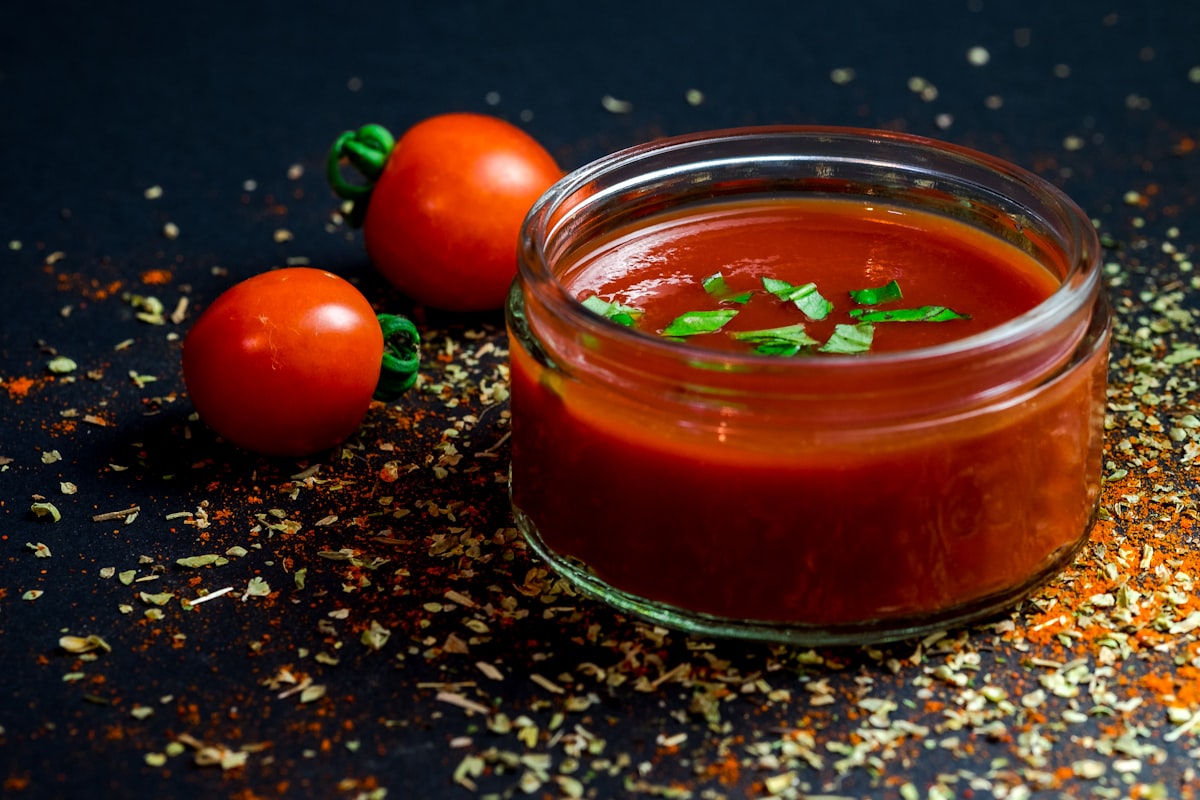
Ketchup from tomatoes that are too ripe for supermarkets. Relish from courgettes that are too large. Chutney from apples that are the wrong shape. The raw material is essentially free — or very cheap — because nobody else wants it.
Rubies in the Rubble started with a mobile kitchen at Borough Market. Jenny would arrive early, buy the surplus produce that traders were about to discard, and spend the day turning it into condiments to sell at the stall. The business model was visible from day one.
From Market Stall to Supermarket Shelf
The journey from Borough Market to Waitrose, Ocado, and a growing list of food service accounts is the story of most successful food businesses — and it is harder than it looks.
Jenny had to solve three problems simultaneously: consistent supply of surplus ingredients (which by definition is unpredictable), consistent product quality (which requires standardised recipes and processes), and consistent demand (which requires building a brand that people seek out, not just stumble upon).
| Challenge | How Rubies Solved It Unpredictable surplus supply | Built relationships with multiple suppliers — farms, food manufacturers, wholesale markets Product consistency | Standardised recipes and production processes, moved from kitchen to commercial facility Distribution | Started with independent retailers, built to Waitrose and Ocado through broker relationships Brand building | Strong visual identity, clear mission story, social media presence built around food waste education |
|---|
The Crowdfunding Chapter
In 2023, Rubies in the Rubble launched a £500,000 crowdfunding campaign to fund international expansion. The campaign was a signal of confidence — both in the brand and in the community of customers who had grown up with it.
Crowdfunding for a food brand at this stage is not primarily about the money. It is about validation, community, and press coverage. A successful crowdfund tells buyers, investors, and potential partners that there is a real, engaged audience behind the brand.
The Expert Commentary
Rubies in the Rubble is a case study in what I call the Constraint-as-Ingredient model. The surplus produce is not just the raw material — it is the story. The unpredictability of supply is not just a logistics challenge — it is the authenticity that makes the brand credible.
Most food brands try to hide the messiness of their supply chain. Rubies celebrates it. The fact that every batch is slightly different — because the surplus is different — is a feature, not a bug. It is proof that the mission is real.
For impact founders in the food space, this is a powerful lesson. The constraints that make your model harder to operate are often the same constraints that make your story impossible to fake.
What I Would Do If I Were Jenny
Rubies' biggest opportunity is the B2B food service market. Restaurants, hotels, and catering companies generate enormous amounts of surplus produce — and they are increasingly under pressure to demonstrate sustainability credentials.
A programme that collected surplus produce from commercial kitchens and turned it into condiments that were then sold back to those same kitchens — or to the corporate clients of those kitchens — would be a genuinely circular model with strong commercial logic.
I would also look at white-label manufacturing. The capability to turn surplus produce into premium condiments at scale is valuable beyond the Rubies brand. Licensing that capability to other food companies, or manufacturing under their labels, could be a significant revenue stream.
More every week.
The Forlui newsletter: one impact business, broken down to its commercial core. Plus practical frameworks for founders.
Subscribe Free ↗