The Couple Who Made Fashion Worth Waiting For
Becky Okell and Huw Thomas came up with the idea for Paynter on their first date. Their made-to-order model is a quiet revolution in sustainable fashion.
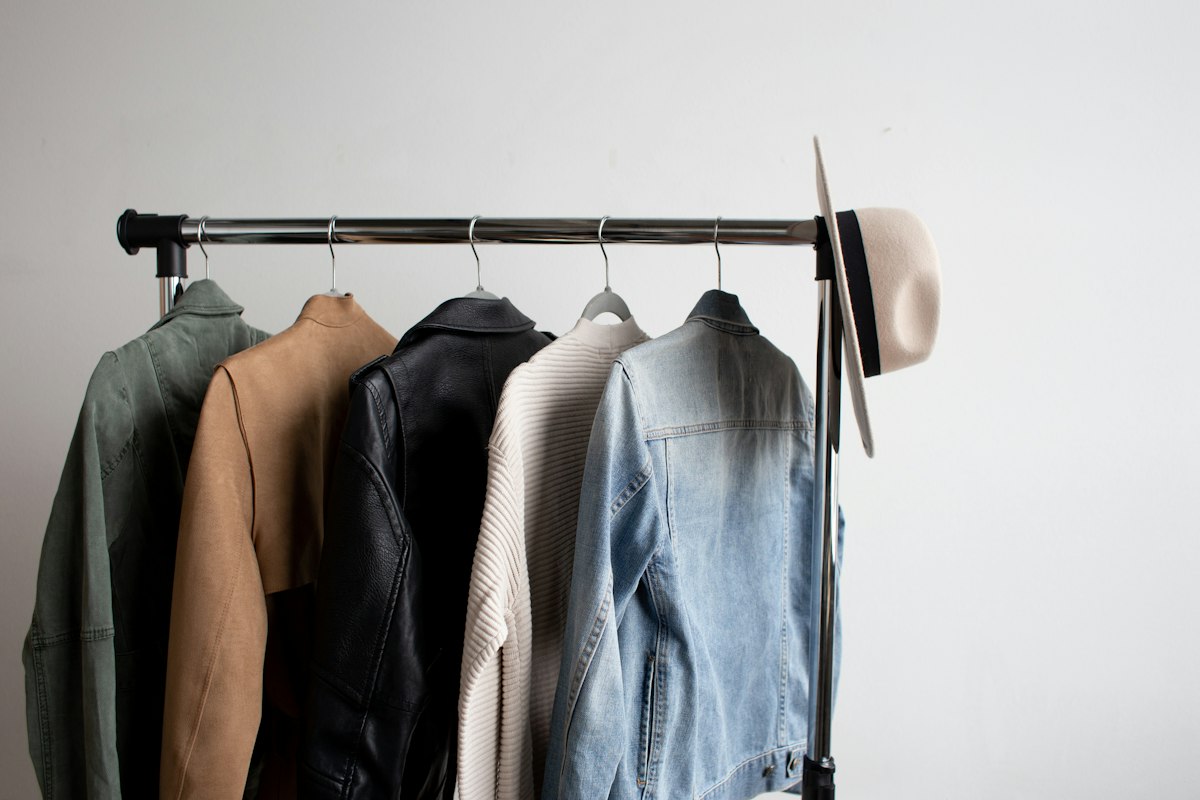
Becky Okell and Huw Thomas came up with the idea for Paynter on their first date.
They were both working in fashion — Huw at a major brand, Becky in fashion marketing — and they were both frustrated by the same thing: an industry that made too much, sold too little, and discarded the rest. An industry built on the assumption that overproduction was cheaper than precision.
Their idea was simple: what if you only made what people had already paid for?
The Batch Model
Paynter makes jackets in batches. Four times a year, they open a waitlist. When enough customers have committed to buying, they close the waitlist and go into production. Every jacket is made to order. Nothing is produced speculatively. Nothing is left over.
Paynter's first batch sold out in 14 minutes. Not because of a marketing campaign. Because they had built a community of people who were ready for exactly this kind of brand.
This is the demand-driven model applied to fashion — and it is a direct inversion of how the industry normally works. Conventional fashion brands produce seasons in advance, guess at demand, and then discount heavily to clear unsold stock. Paynter knows exactly how many jackets to make before they make a single one.
The Business Model
| Conventional Fashion | Paynter Produce speculatively, sell reactively | Sell first, produce to order Seasonal collections (4-6 per year) | Four batches per year, limited quantities Heavy discounting to clear stock | No discounts — full price or nothing Broad distribution (wholesale, retail) | Direct-to-consumer only Anonymous supply chain | Named factory, named materials, full transparency |
|---|
The direct-to-consumer model is essential to the economics. By cutting out wholesale and retail intermediaries, Paynter retains the margin that would otherwise go to stockists. That margin funds the quality of materials and manufacturing that makes the product worth waiting for.
The Community Engine
Paynter's most interesting asset is not the jacket. It is the waitlist.
The waitlist is a community of people who have raised their hand and said: I want this. When a new batch opens, those people are already primed to buy. They have been waiting. They have been anticipating. They are not browsing — they are committed.
This is a fundamentally different relationship between brand and customer than the one that conventional fashion creates. Paynter customers are not passive consumers. They are participants in a process that they have chosen to join.
The Sustainability Architecture
Paynter's sustainability model is built into the business model, not bolted on as a marketing exercise.
The made-to-order approach eliminates overproduction — the single biggest driver of waste in the fashion industry. The direct-to-consumer model eliminates the need for physical retail, reducing the carbon footprint of distribution. The focus on quality and durability means that Paynter jackets are designed to last for years, not seasons.
They also publish full transparency about their factory — a family-run manufacturer in Portugal — and their materials, which are sourced from certified sustainable suppliers.
The Expert Commentary
Paynter is a case study in what I call the Patience Premium. The willingness to wait for something — to be on a waitlist, to anticipate, to commit before the product exists — is a signal of genuine desire. And genuine desire is the foundation of a premium price.
Most brands try to reduce friction at every stage of the purchase journey. Paynter deliberately introduces friction — the waitlist, the batch model, the limited availability — and that friction is the source of the brand's power.
For impact founders who are tempted to make their product available to everyone immediately, Paynter is a reminder that scarcity and selectivity can be more powerful than ubiquity.
What I Would Do If I Were Becky and Huw
Paynter's biggest opportunity is the resale market. Their jackets hold their value exceptionally well — in some cases, they sell for more on the secondary market than they cost new. That is a signal of genuine product quality and brand desirability.
A Paynter-managed resale programme — where customers can sell their jackets back to the brand, which refurbishes and resells them — would extend the product lifecycle, generate additional revenue, and deepen the brand's sustainability credentials. It would also give new customers who missed a batch a way to access the brand without waiting.
More every week.
The Forlui newsletter: one impact business, broken down to its commercial core. Plus practical frameworks for founders.
Subscribe Free ↗