The Ugly Tomato That Started a £32M Business
Emilie and Deepak ate a wonky tomato in Belgium and decided to build a business around the produce that supermarkets reject
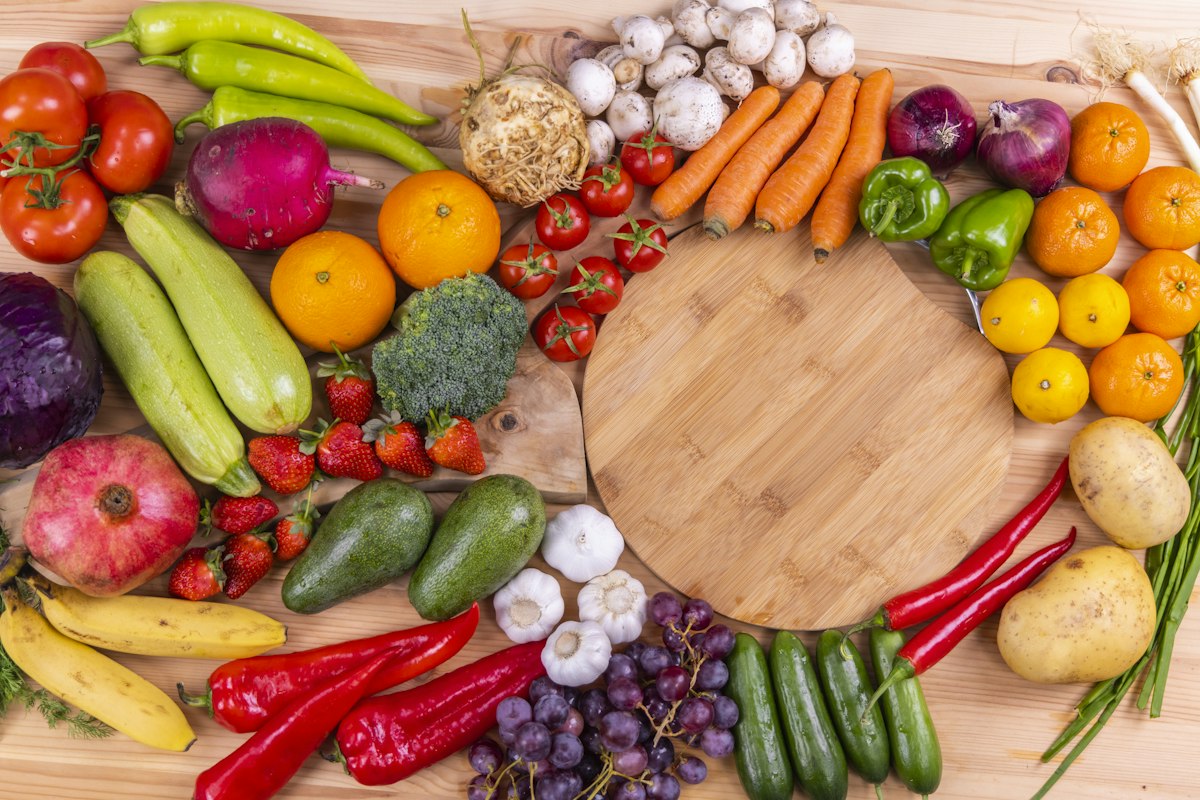
Emilie Vanpoperinghe and her husband Deepak Ravindran grew up in Belgium and India, where eating imperfect produce was completely normal. Wonky carrots, misshapen tomatoes, oversized courgettes — these were just vegetables.
When they moved to the UK, they were shocked by how much food was being thrown away simply because it looked wrong.
In 2016, they ate an ugly tomato together and decided to do something about it. Oddbox was born.
The Problem
Approximately one third of all food produced globally never gets eaten. In the UK alone, farms discard millions of tonnes of perfectly edible fruit and vegetables every year because they do not meet supermarket cosmetic standards — the wrong size, the wrong shape, the wrong colour.
This is not a small problem. It is a systemic failure of the food supply chain, driven by consumer expectations that were largely created by supermarket marketing in the 1980s and 1990s.
Emilie and Deepak's insight was that the problem was not the produce. The problem was the distribution system. If you could build an alternative route to market — one that celebrated imperfection rather than penalising it — you could rescue enormous amounts of food and build a viable business at the same time.
Oddbox does not just sell wonky veg. It sells a different relationship with food — one where the story of where it came from and why it was nearly wasted is part of the product experience.
The Subscription Model
Oddbox operates a weekly subscription box service. Customers sign up, choose their box size, and receive a curated selection of surplus and imperfect produce each week, along with recipe cards and information about the farms and the food saved.
| Box Type | Contents | Impact Per Box Small | 4-5 kg of fruit and veg | ~3 kg of food saved from waste Medium | 6-7 kg of fruit and veg | ~5 kg of food saved from waste Large | 8-10 kg of fruit and veg | ~7 kg of food saved from waste |
|---|
The subscription model is well suited to this business for several reasons. It creates predictable demand, which allows Oddbox to make commitments to farmers in advance. It reduces logistics costs by batching deliveries. And it builds a habit — customers who receive a box every week develop a different relationship with produce than those who shop reactively.
The Numbers
Oddbox grew rapidly through the pandemic years, when consumers were more focused on food provenance and less reliant on supermarkets. By 2022, the company had reached £32 million in revenue and was operating across London and major UK cities.
The Honest Part
It would be dishonest to tell this story without acknowledging the challenges.
Oddbox has faced significant headwinds in recent years. The cost of living crisis has made consumers more price-sensitive, and subscription food boxes — which require a level of financial commitment and meal planning — have seen higher churn rates across the sector. The company has had to make difficult decisions about pricing, geography, and growth rate.
"We had to reshape the business. The mission hasn't changed, but the path to making it sustainable has."
This is a story worth telling honestly, because it illustrates something important about impact businesses: the mission is not a shield against commercial reality. The business still has to work.
The Expert Commentary
Oddbox's story contains a lesson about the difference between a good idea and a sustainable business model.
The idea — rescue surplus produce and sell it to consumers who care about food waste — is genuinely good. The execution — subscription boxes, recipe cards, farm stories — is genuinely well done. But the business model has a structural tension: the customers most likely to care about food waste are also the customers most likely to cook from scratch, plan their meals, and be frustrated by the unpredictability of what arrives in a surplus box.
Managing that tension — between the mission (rescue whatever is surplus) and the customer experience (give people what they want to cook) — is the central challenge of the Oddbox model. The companies that solve it will build something durable. The ones that don't will struggle to retain customers beyond the initial enthusiasm.
More every week.
The Forlui newsletter: one impact business, broken down to its commercial core. Plus practical frameworks for founders.
Subscribe Free ↗