The Town That Makes Jeans Again
David Hieatt left Saatchi & Saatchi to bring 400 jobs back to a small Welsh town. Here is what he built.
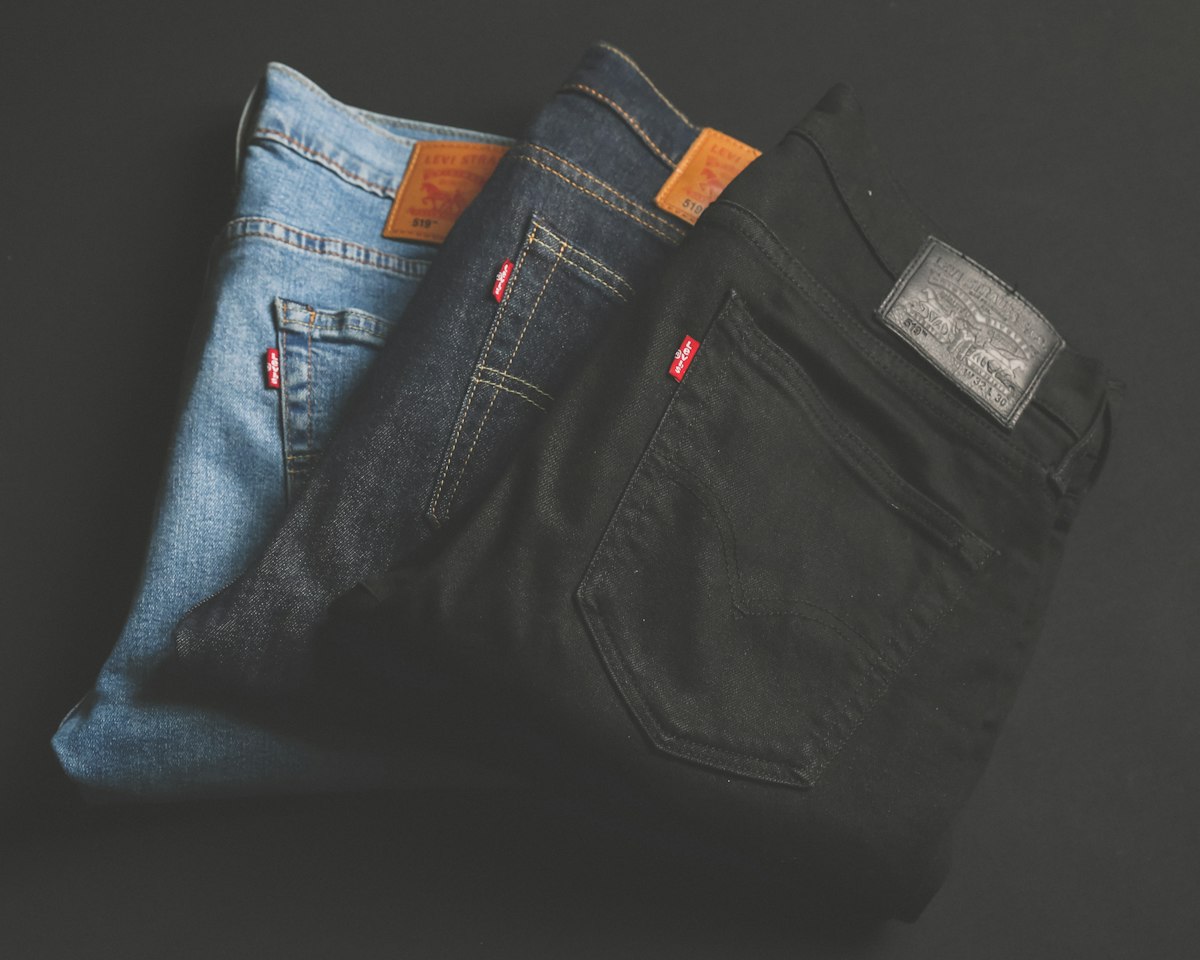
For 40 years, the town of Cardigan in Wales made 35,000 pairs of jeans a week. It was Britain's biggest jeans factory. The town's identity was built around it.
Then in 2002, the factory closed. Manufacturing moved to Morocco. 400 people lost their jobs overnight.
Ten years later, David Hieatt came home to fix it.
The Man Behind the Mission
David Hieatt is not your typical impact founder. He is an advertising man — he worked at Saatchi & Saatchi, one of the most celebrated creative agencies in the world. He knows how to tell a story.
In 1995, he co-founded Howies, a Welsh outdoor clothing brand that became a cult favourite for its irreverent, values-driven approach to marketing. He sold Howies to Timberland in 2006, stayed on for a few painful years, and eventually walked away.
Then he had an idea.
"Our town is good at one thing. Making jeans. We want to get our town making jeans again. That's it. That's the whole plan."
In 2012, David and his wife Clare founded Hiut Denim Co. in Cardigan. They hired the people who had worked in the old factory — the "Grand Masters," as Hiut calls them — people who had spent decades perfecting the craft of making jeans and had nowhere to use that skill.
The Business Model
Hiut Denim makes one thing: jeans. Expensive, beautifully made, limited-production jeans.
| Business Principle | What It Means in Practice Do one thing well | No product diversification — only jeans, ever Grand Masters | Hire only the most skilled craftspeople from the old factory History Tags | Every pair ships with a unique tag — register it to track the jeans' life No-growth model | Capped production at 10,011 pairs per year over an 11-year period Community building | The Do Lectures, the newsletter, the story — all part of the brand |
|---|
The History Tag is worth dwelling on. Every pair of Hiut jeans ships with a unique number. Customers register their jeans online, and over time, the tag builds a record of where the jeans have been, how they have been repaired, and how long they have lasted. It is a radical transparency tool that also happens to be a brilliant retention mechanism.
Hiut Denim's "no-growth" model is not a limitation. It is a positioning statement. Scarcity creates desire. Constraint creates craft. The cap on production is a feature, not a bug.
The Do Lectures
Hiut Denim is only part of the story. David Hieatt also co-founded The Do Lectures — an annual gathering in rural Wales that brings together entrepreneurs, creatives, and thinkers to share ideas.
The Do Lectures is not a marketing exercise for Hiut. It is a separate business with its own revenue, its own audience, and its own identity. But the two businesses share a philosophy — that doing things well, with purpose and craft, is both the right way to live and a commercially viable strategy.
This is the flywheel that most impact founders miss. The brand is not just the product. The brand is the worldview. And the worldview, expressed consistently across multiple platforms and formats, compounds over time into something that is very hard to copy.
The Expert Commentary
Hiut Denim is a masterclass in what I call the Constraint Advantage. Most founders treat constraints — limited capital, limited production capacity, limited geography — as problems to be solved. Hieatt treats them as design principles.
The constraint of Cardigan (a small Welsh town with limited labour) became the story. The constraint of the Grand Masters (a finite number of skilled craftspeople) became the quality guarantee. The constraint of limited production became the scarcity that justifies the premium price.
For impact founders who feel limited by their resources, Hiut Denim is a reminder that the story you tell about your constraints is often more powerful than the constraints themselves.
What I Would Do If I Were David
Hiut's biggest opportunity is the History Tag data. Over time, they will have a dataset of how their jeans age, where they travel, how they are repaired, and how long they last. That data is a proof point for the anti-fast-fashion argument that no other brand can replicate.
I would build a public-facing impact report around that data — not a corporate sustainability document, but a living, visual record of jeans that are still being worn five, ten, fifteen years after purchase. That is the most powerful anti-fast-fashion argument in the world, and it is sitting in their database waiting to be told.
More every week.
The Forlui newsletter: one impact business, broken down to its commercial core. Plus practical frameworks for founders.
Subscribe Free ↗