The Flat Above the Surf Shop
Tom Kay started Finisterre in 2003 with a fleece and a mission. Twenty years later, it is one of the most respected sustainable fashion brands in the world.
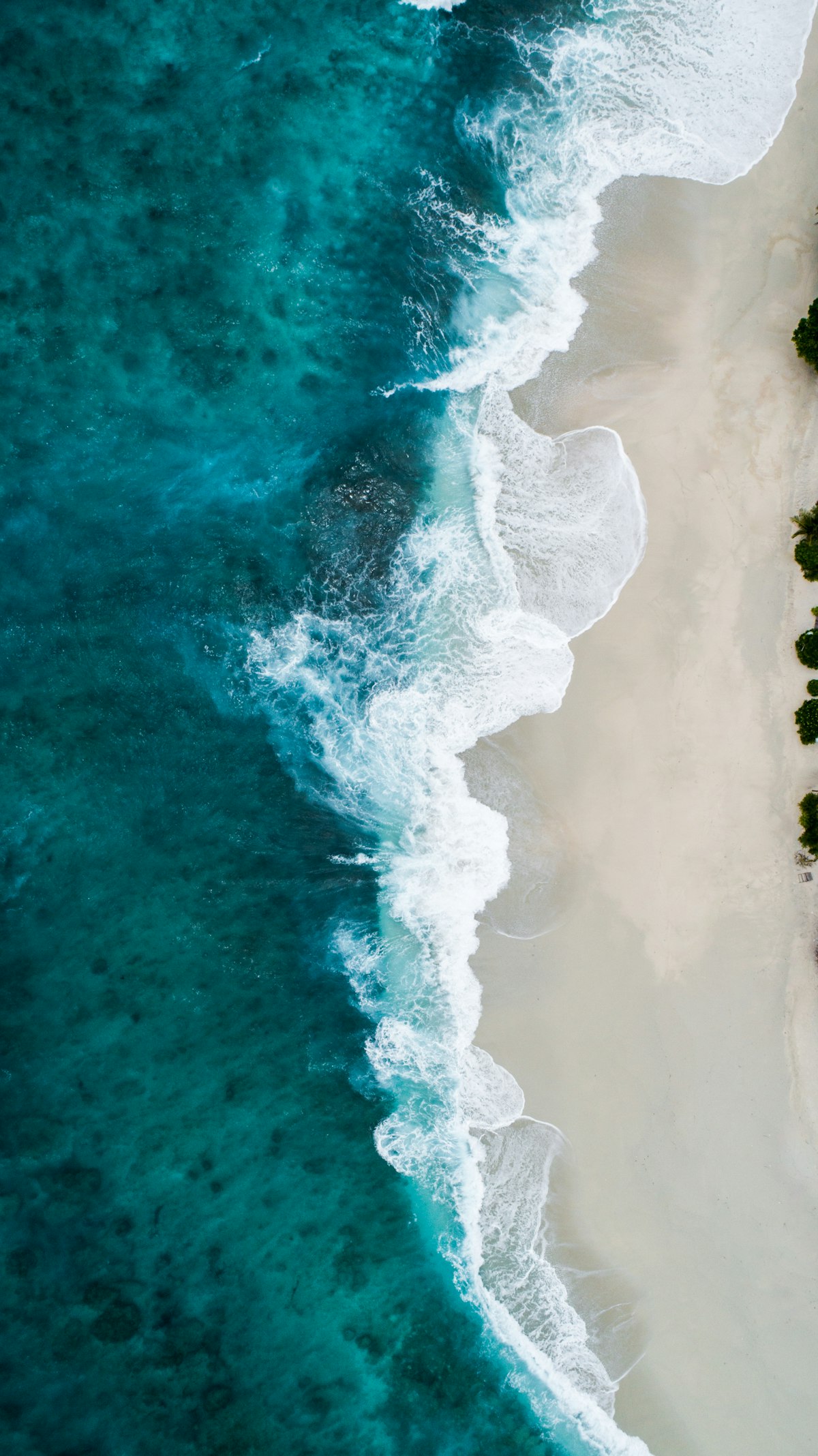
Tom Kay was living in a flat above a surf shop in St Agnes, Cornwall. He was cold.
The existing surf brands were making gear for warm water — California, Australia, Hawaii. Nobody was making technical, sustainable clothing for the cold, grey, beautiful Atlantic coast. Nobody was making gear for people who surfed in wetsuits in November, who hiked in driving rain, who lived outdoors in a climate that was more likely to be overcast than sunny.
So in 2003, Tom Kay started making it himself.
That is the origin of Finisterre — named after the Spanish cape at the edge of the known world, the place where the Atlantic begins.
The Cold Water Niche
The decision to focus on cold water surfing was not just a product decision. It was a positioning decision of the highest order.
By defining themselves as the cold water surf brand, Finisterre immediately differentiated from every other surf label on the market. They were not competing with Quiksilver or Billabong for the same customer. They were creating a new category — technical, sustainable, British, built for the real conditions of the North Atlantic.
Finisterre's niche is not just geographic. It is attitudinal. Their customer is someone who surfs in the rain and loves it. That specificity of identity is enormously powerful for brand building.
This is a lesson that applies far beyond surf clothing. The founders who try to serve everyone end up serving no one particularly well. The founders who commit to a specific, underserved community — and build everything around that community's real needs — create something that cannot be easily replicated.
The Sustainability Architecture
Finisterre became a certified B Corp in 2013 — one of the first fashion brands in the UK to do so. But their sustainability approach is not a certification exercise. It is embedded in how they design and source every product.
| Sustainability Commitment | What It Means in Practice Recycled and organic materials | Polartec recycled fleece, organic cotton, Tencel — no virgin synthetics where alternatives exist Repair and care programme | Free repairs for life on Finisterre products Responsible wool sourcing | Certified non-mulesed wool, traceable supply chains Carbon measurement | Annual carbon footprint reporting, reduction targets B Corp certification | Third-party verification of social and environmental performance |
|---|
The repair programme is worth highlighting. Finisterre will repair any of their products for free, for life. This is both a sustainability commitment and a commercial statement — it says that the product is built to last, and that the brand stands behind it.
The Crowdfunding Chapter
In 2022, Finisterre raised £4.6 million through a crowdfunding campaign — their second. The campaign was oversubscribed. Customers became shareholders.
This is a model that more impact brands should study. Crowdfunding is not just a capital-raising tool. It is a community-building tool. The people who invest in a crowdfunding round are not passive shareholders — they are advocates, ambassadors, and loyal customers who have a personal stake in the brand's success.
The Expert Commentary
Finisterre's growth story is a masterclass in patient brand building. Tom Kay did not try to scale quickly. He built slowly, carefully, and with an obsessive focus on product quality and community authenticity.
The result is a brand that has genuine credibility in a market — sustainable fashion — that is full of greenwashing and empty claims. When Finisterre says a product is sustainable, people believe it. That credibility is worth more than any marketing budget.
For impact founders who feel pressure to grow faster, Finisterre is a reminder that trust compounds. The years you spend building genuine credibility are not wasted — they are the foundation of the business you will eventually have.
What I Would Do If I Were Tom
Finisterre's biggest opportunity is the repair data. Every product they repair is a data point about how their products age, where they fail, and how long they last. That data could power a genuinely compelling impact narrative — one that shows, with specificity, that a Finisterre jacket bought in 2010 is still being worn in 2025.
I would also explore a rental or resale programme. The customers who love Finisterre enough to buy it are also the customers who would pay to access it without owning it — especially for specialist gear they might only use a few times a year.
More every week.
The Forlui newsletter: one impact business, broken down to its commercial core. Plus practical frameworks for founders.
Subscribe Free ↗